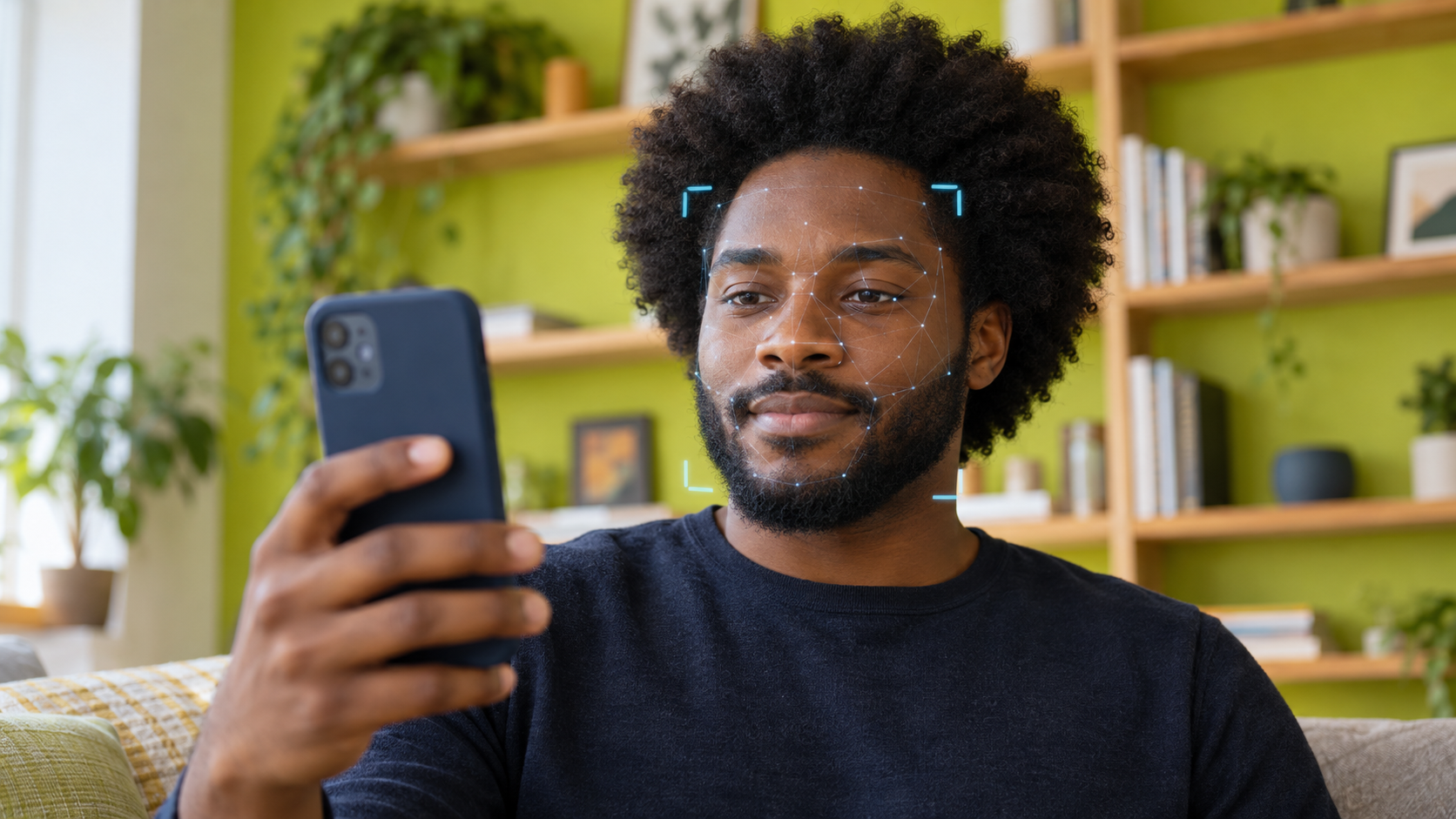
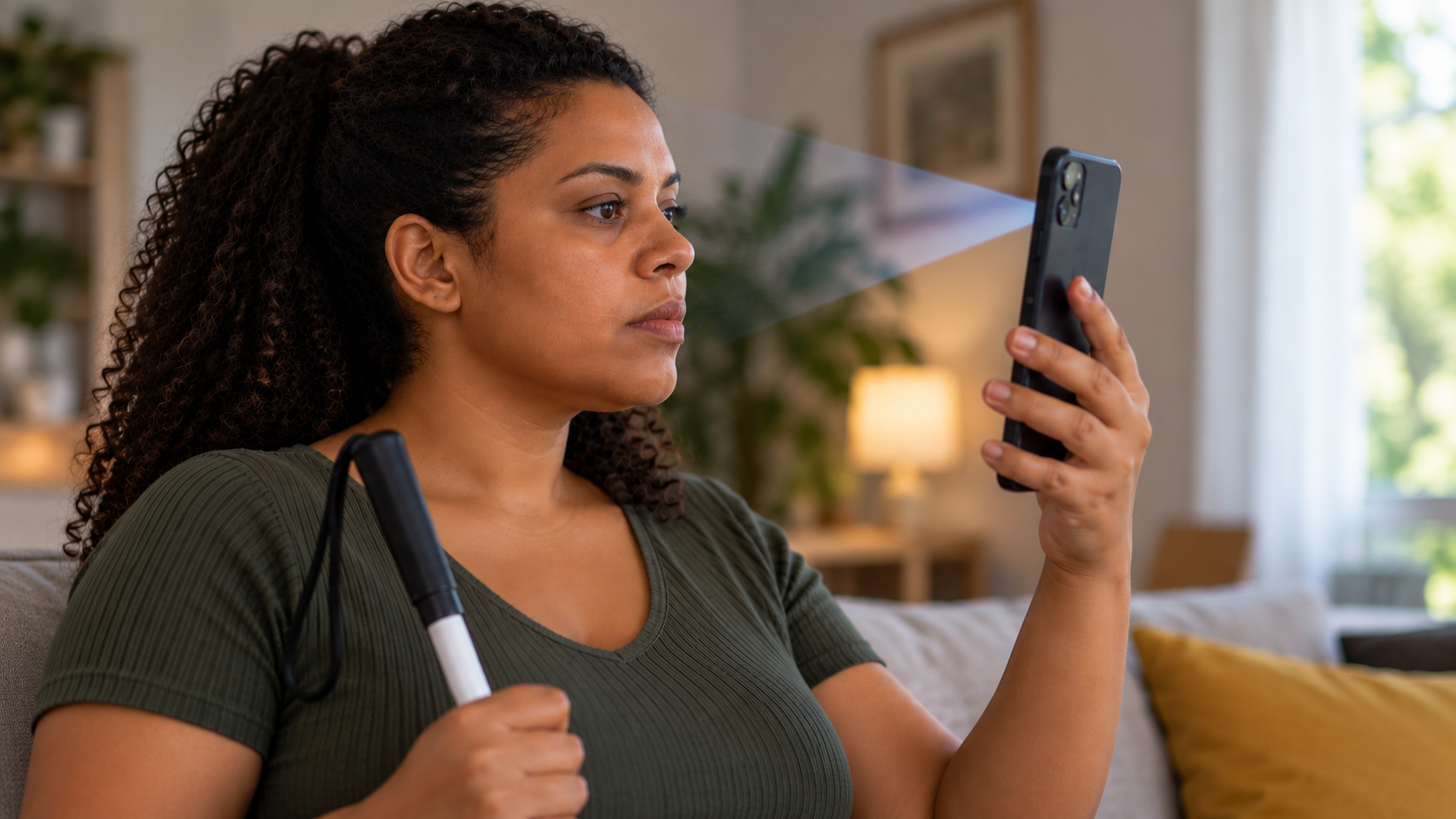
People who cannot see the screen well. Older adults. People with reduced mobility. People who use a screen reader. People who cannot hold the phone still at the ideal height.
When a facial authentication journey does not account for this diversity, it is not just creating friction. It may be preventing someone from opening an account, claiming a benefit, recovering a password, approving a transaction or proving they are who they say they are.
Accessibility, in this context, is not an interface detail. It is an essential part of security.
Legitimate users can be left out too
The market talks at length about accuracy, fraud, deepfakes and presentation attacks. Those topics matter, but there is another risk that still receives little attention: the legitimate user who cannot complete the journey.
It can come down to an unclear instruction, inadequate contrast, lack of screen reader compatibility, difficulty with positioning, or capture flows that require movements some people simply cannot perform.
When technology does not account for these scenarios, it fails at precisely the moment it needs to be most reliable.
Security without exclusion
Effective facial authentication has to protect against fraud, but it also has to work for real people in real situations.
That means designing journeys that are clearer, more accessible and more tolerant of different conditions of use. The experience has to account for visual, motor, sensory and cognitive limitations from the start, not as a later adjustment.
Security that depends on an idealized user is not enough security for critical digital operations.
Accessibility as part of the experience
At Fortface, accessibility is not a cosmetic layer. It is part of how the experience is designed.
That means testing with real people, listening to blind and low-vision users, older adults and people with motor difficulties, and refining messages, contrast, screen reader output, positioning guidance and capture flows.
The goal is simple: protect without excluding.
Facial authentication with dignity
Digital identity will not be defined only by who blocks the most fraud. It will also be defined by who can authenticate real people with security, speed and dignity.
Because authentication is only truly good when it works for the people who depend on it the most.
Fortface was built for this scenario: enterprise facial authentication, secure and fluid, designed for critical journeys and for the diversity of the people who need to complete them.