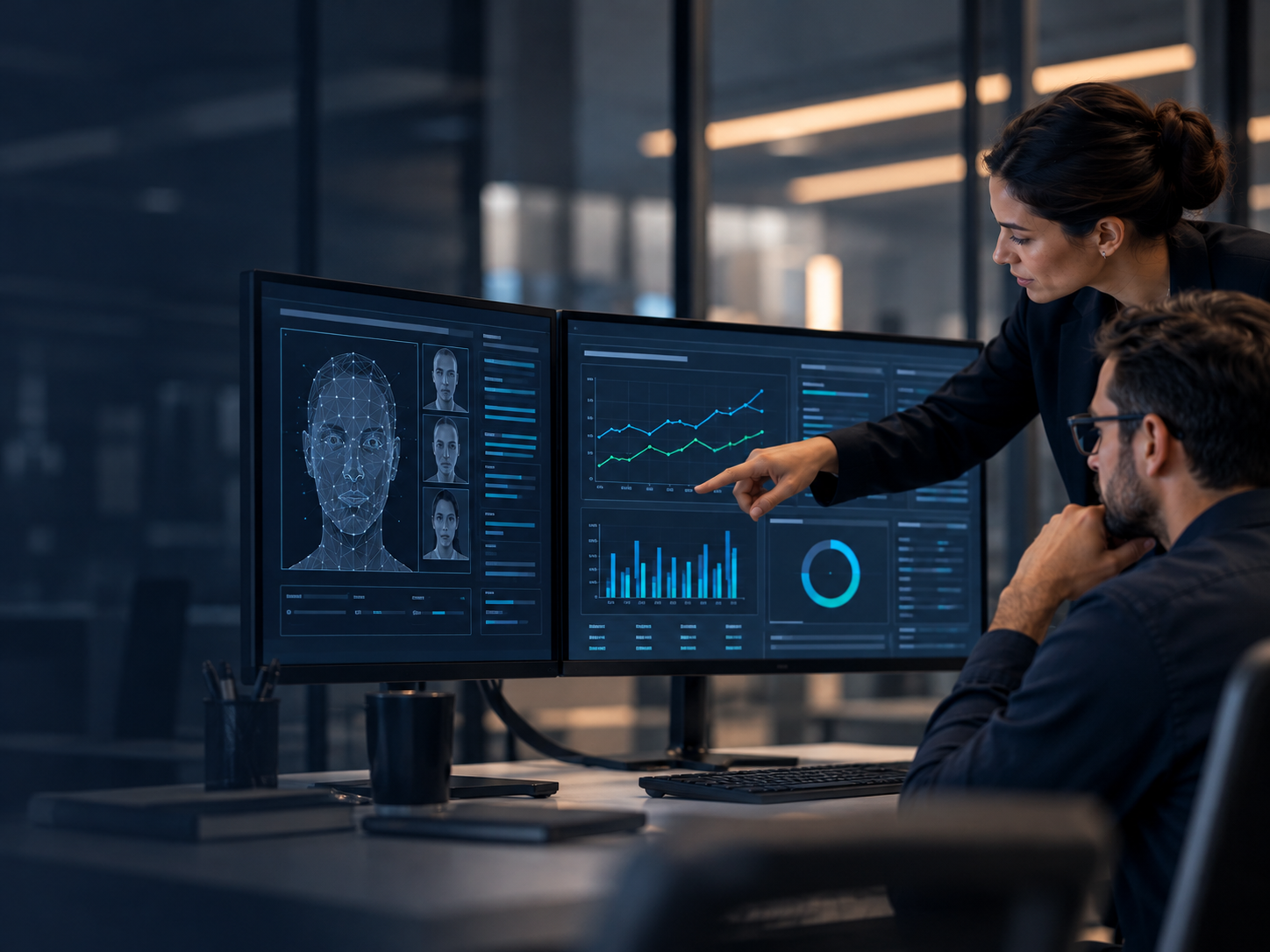
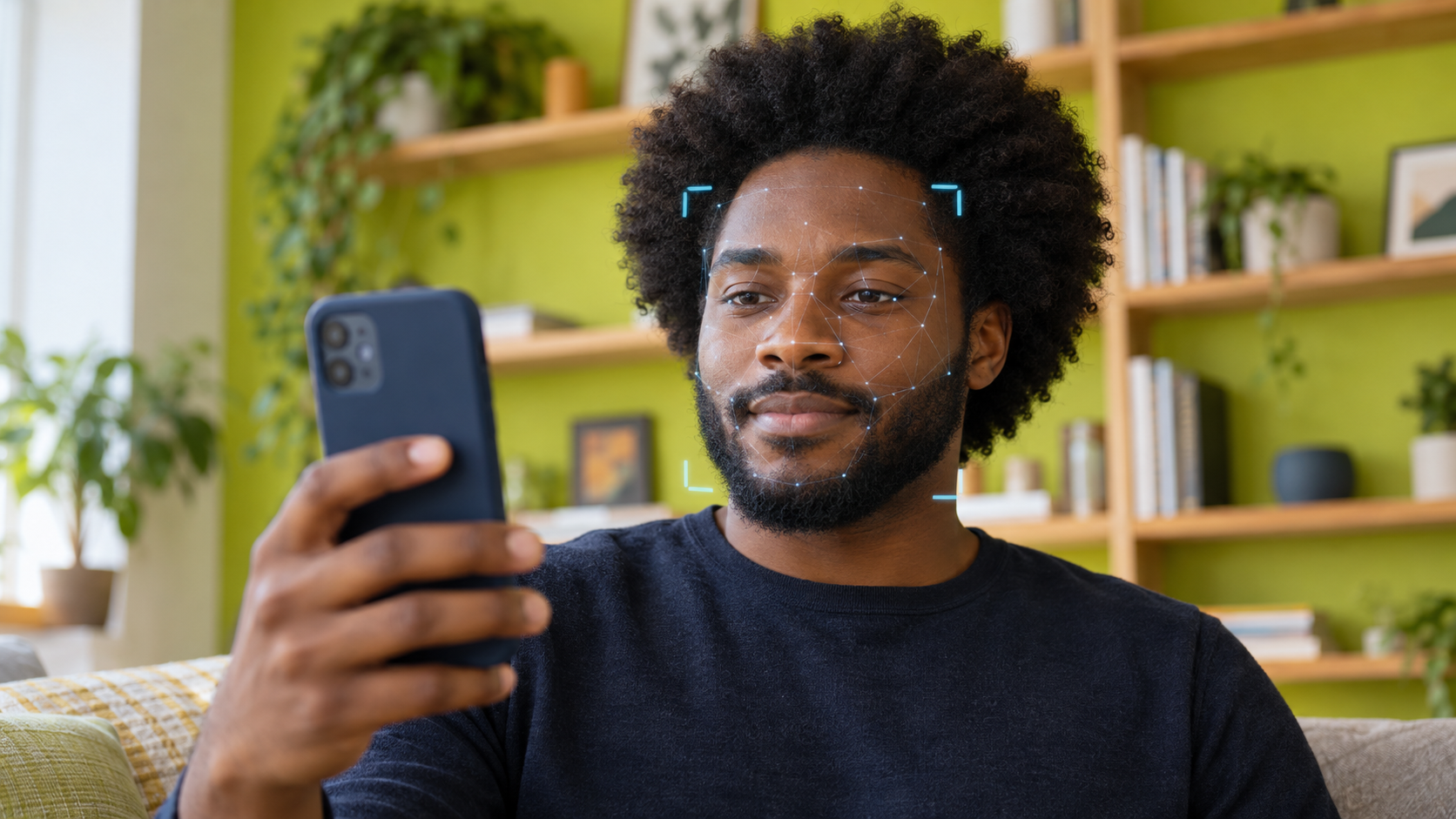
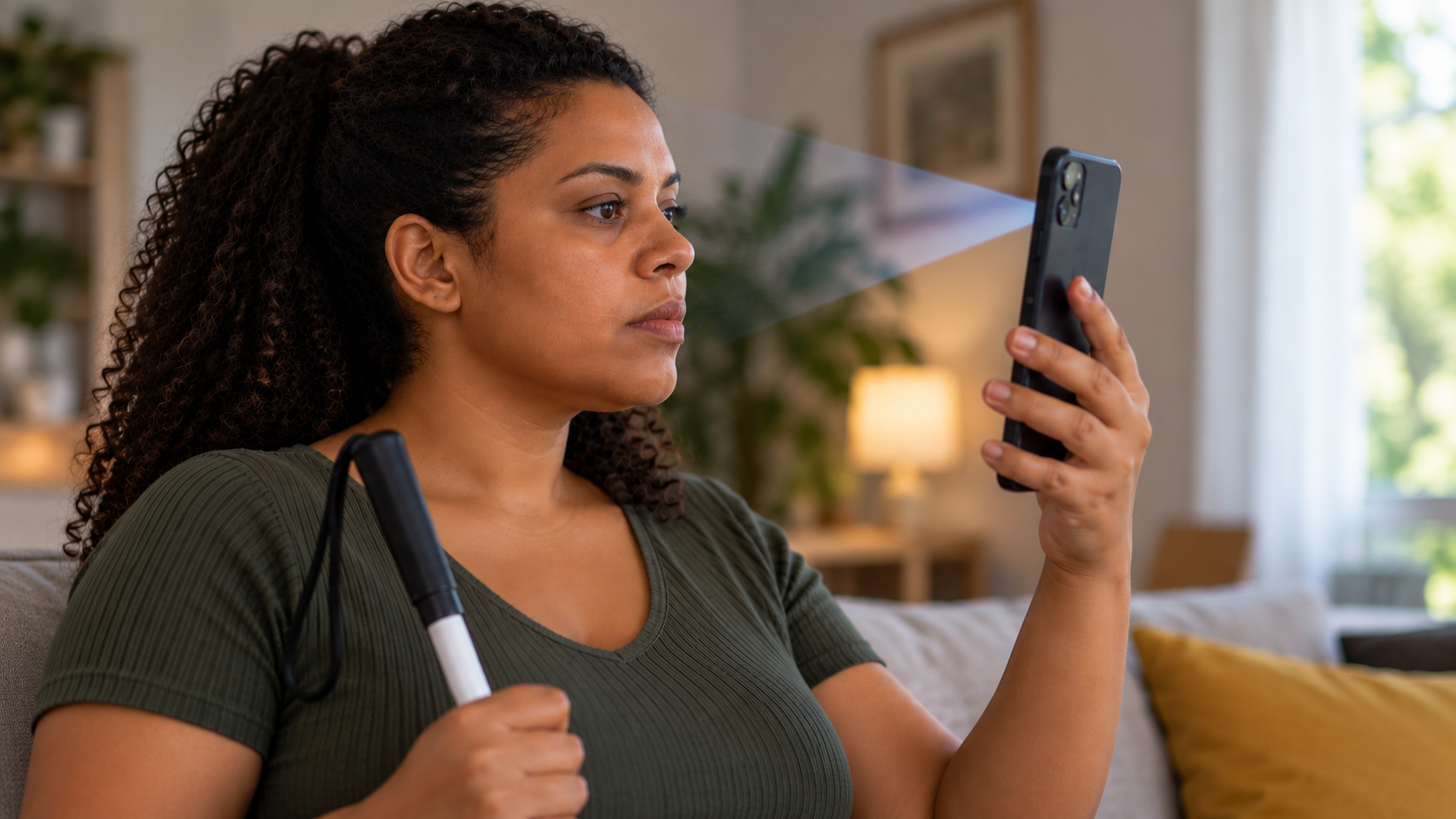
In many digital journeys, facial biometrics is still perceived as a difficult step. The user brings their face closer, moves the phone away, blinks, turns their head, tries again and waits for a response.
When that happens, a technology built to convey security ends up creating frustration. Facial authentication should protect the operation without turning the journey into a tiring sequence of challenges.
The problem with excess friction
In critical journeys such as onboarding, account recovery, data updates or transaction authentication, every step counts.
When liveness detection demands repeated movements or unnatural instructions, the user may struggle to complete the process. That hurts conversion, increases retries and can generate more support tickets.
Friction also affects the perception of security. To the end user, a long and confusing journey does not necessarily feel more protected. More often, it simply feels less efficient.
Security and experience have to move together
For a long time, part of the market treated security and usability as opposing forces. The safer the journey, the greater the effort expected from the user.
That logic no longer answers the needs of digital businesses.
Today, enterprise operations need to validate real people at scale, with precision and consistency, without compromising how fluid the experience feels. That calls for technologies able to work behind the scenes, reducing visible friction without giving up the layers of protection the operation requires.
Real security does not depend on more effort from the user. It depends on precise validation, multi-layer protection and a simple experience from start to finish.
The role of liveness detection
Liveness detection is the technology used to verify that the person is genuinely present at the moment of validation.
It helps protect the operation against presentation attacks, such as the use of photos, videos, masks or other artifacts created to simulate a real person.
But the quality of liveness detection should not be measured by the number of challenges imposed on the user. A good solution has to combine security, precision and fluidity.
Fewer challenges, more confidence in the journey
Efficient facial authentication is not the one that asks for more movements, more attempts or more patience. It is the one that protects consistently and reduces the effort needed to complete the journey.
For companies, that means more operational predictability, less friction and an experience better aligned with what digital users expect.
For people, it means a simpler, clearer and more natural validation.
Fortface is already prepared for this scenario, combining facial authentication, certified liveness detection, anti-injection layers and a fluid experience for critical digital journeys.
Because real security does not have to feel like a patience test. It has to protect, validate and let the journey continue with confidence.